
At Every Child Needs a Mentor, we believe that potential is universal, but opportunity is not. Inside every child is a spark of greatness—but sometimes, that spark needs a gentle breath of air to become a flame.
That breath of air is mentorship.
We see the proof not just in data, but in the real-life transformations of children who were once quiet, struggling, or overlooked. Here are three stories of impact that remind us why this mission matters.
1. The Artist Who Found Her Voice
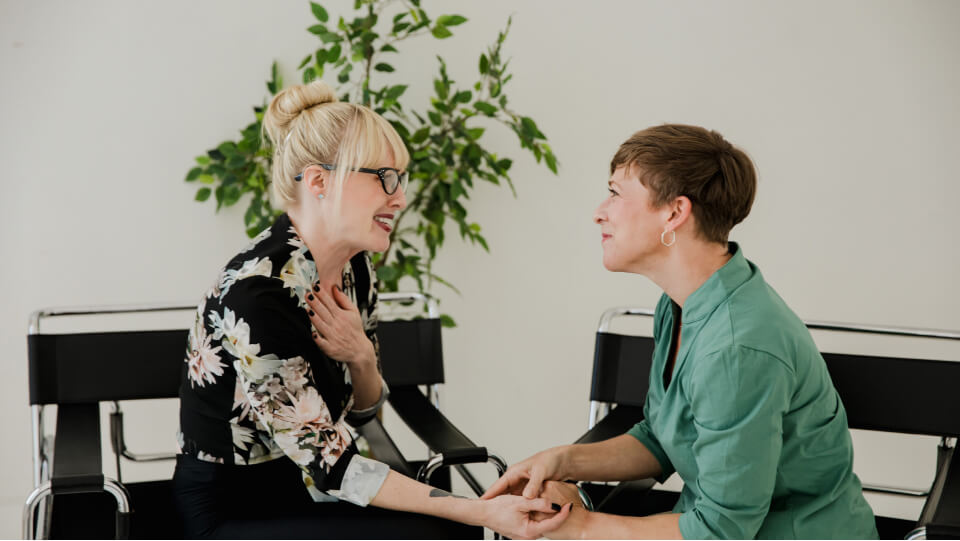
Meet Aisha. At school, Aisha was labeled “shy.” She sat at the back of the classroom, her head down, speaking only when called upon. But her mentor, Sarah, noticed that Aisha was never truly silent—she was always doodling in the margins of her notebook.
Instead of trying to force Aisha to talk, Sarah sat beside her and asked about her drawings. Week by week, art became their bridge. They drew together, visited galleries, and eventually, Aisha started explaining the stories behind her sketches. Through that safe space of acceptance, Aisha’s confidence grew. By the end of the year, she volunteered to design the set for the school play—speaking in front of the drama club without a stutter.
The Impact: Aisha didn’t just learn to draw better; she learned that her voice mattered. She is now a peer mentor herself, helping other quiet kids find their canvas.
2. The Boy Who Needed a Compass
Meet David. David was energetic, funny, and undeniably smart—but his grades didn’t reflect it. He was constantly in trouble for disrupting class. Teachers saw him as a problem; his mentor, James, saw him as a leader with no direction.
James, a local carpenter, didn’t meet David in a classroom. He met him in a woodshop. He gave David a hammer, some nails, and a task: “Build me a birdhouse.” For the first time, David’s endless energy had a physical outlet and a tangible goal. James taught him that math wasn’t just numbers on a page—it was measuring wood so the corners fit perfectly.
The Impact: David started seeing school differently. If math helped him build, maybe science could help him fix his bike. By focusing on his strengths instead of punishing his weaknesses, David learned self-discipline. He graduated high school and is now studying construction management.