

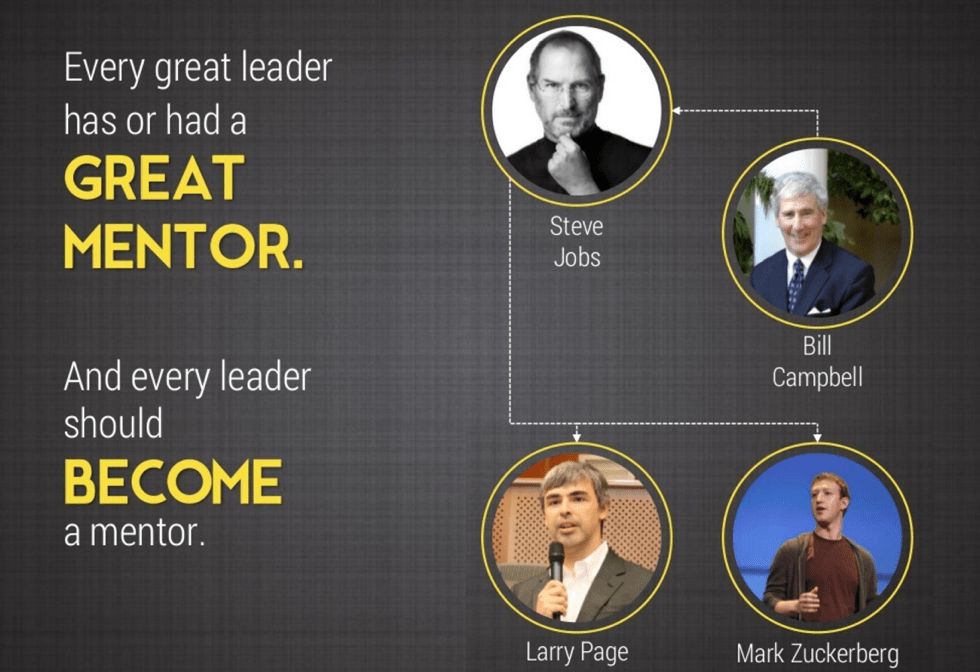
Mentoring is not about having all the answers. It is about showing up, being present, and genuinely caring about someone else’s growth. The most powerful mentors are not those who speak the most, but those who understand, guide, and believe in the potential of the person in front of them.
If you want to become an effective mentor, here are some real, practical insights drawn from experience — not theory.
1. Start With Connection, Not Correction
Before you try to guide someone, understand them. People grow when they feel safe, not judged. Build a real connection first — learn who they are, what they struggle with, what they care about.
When trust is built, advice is received. Without trust, even the best guidance is ignored.
2. Listen Fully — Not Just to Reply
Many mentors listen to respond. Great mentors listen to understand.
Sometimes your mentee does not need solutions — they need space to think, process, and feel heard. When you listen deeply, you begin to notice what is not being said — doubts, fears, confusion, hidden potential.
Listening is one of the most powerful tools a mentor has.
3. See the Person, Not Just the Problem
A mentee is never just their challenges. Look beyond behaviour, mistakes, or lack of progress. See their strengths, their effort, and their potential.
When someone feels seen for who they can become, not just who they are today, something shifts inside them.
4. Encourage — But Don’t Overprotect
Support is important, but growth requires challenge. An effective mentor does not remove difficulty — they help the mentee rise through it.
Encourage them when they doubt themselves.
Challenge them when they limit themselves.
Hold them accountable when they drift.
Balance care with courage.
5. Consistency Builds Trust
Mentoring is not about one powerful conversation — it is about steady presence over time. When you show up consistently, you become a stable force in someone’s development.
Keep your word.
Be reliable.
Follow through.
Consistency builds trust, and trust builds transformation.